

Advanced Dry Powder Inhalation Solutions
Respipure offers specialized dry powder inhaler (DPI) development and manufacturing capabilities focused on delivering reliable, high-performance respiratory therapies. Our approach integrates formulation science, device understanding, and manufacturing precision to support scalable and compliant DPI products.
You are here:
- Home
- Dry Powder Inhalers (DPI)

dpi-expertise
DPI Expertise
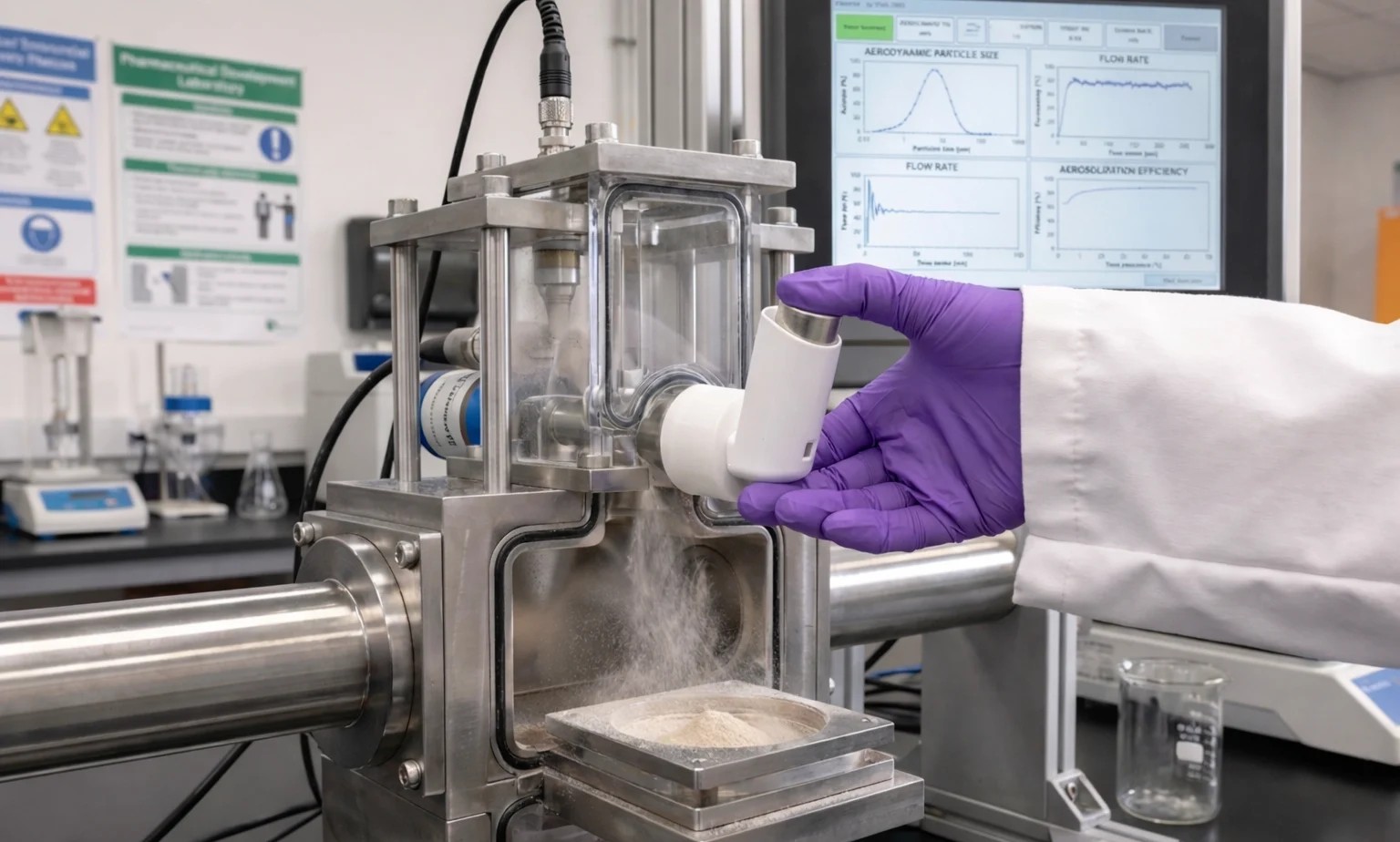
Dry powder inhalation is a complex drug delivery route where formulation properties, device performance, and patient inhalation dynamics must work together seamlessly.
Respipure brings focused expertise in DPI product development, addressing critical factors such as aerosolization efficiency, airflow resistance, and aerodynamic particle size to ensure consistent lung delivery and reproducible dosing.

dpiwebfirst
Why Dry Powder Inhalers
Dry Powder Inhalers offer several advantages that make them suitable for a wide range of respiratory therapies:
- Enhanced stability of drug formulations
- Capability to deliver higher doses compared to propellant-based systems
- Propellant-free and patient-friendly format
- Suitable for chronic respiratory conditions such as asthma and COPD
dpi manufacturing
DPI Development & Manufacturing
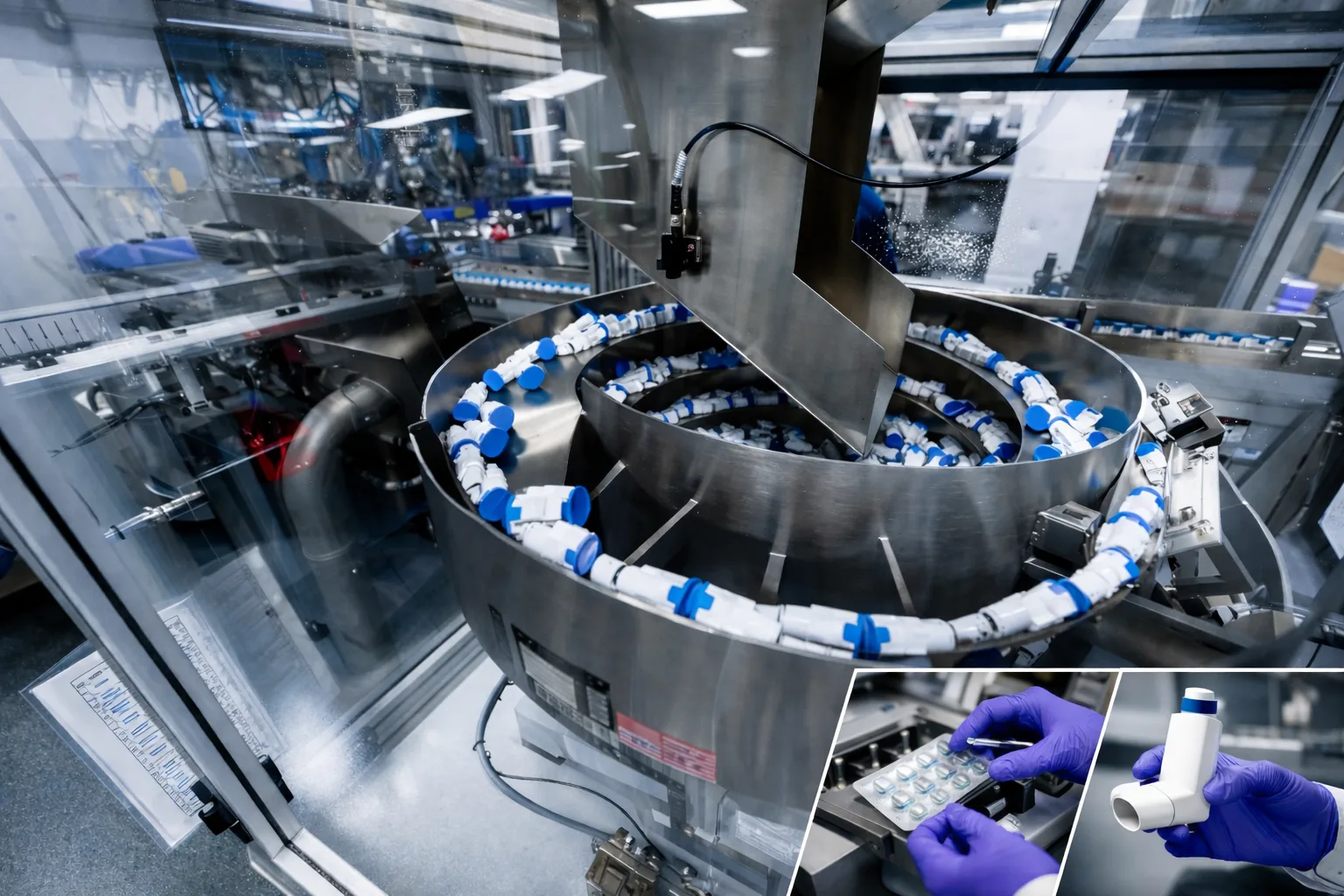
Respipure provides end-to-end DPI development support, from formulation design to manufacturing-ready processes.
Our capabilities include:
- Powder generation using micronized blends and particle engineering approaches
- Optimization of powder characteristics for efficient aerosolization
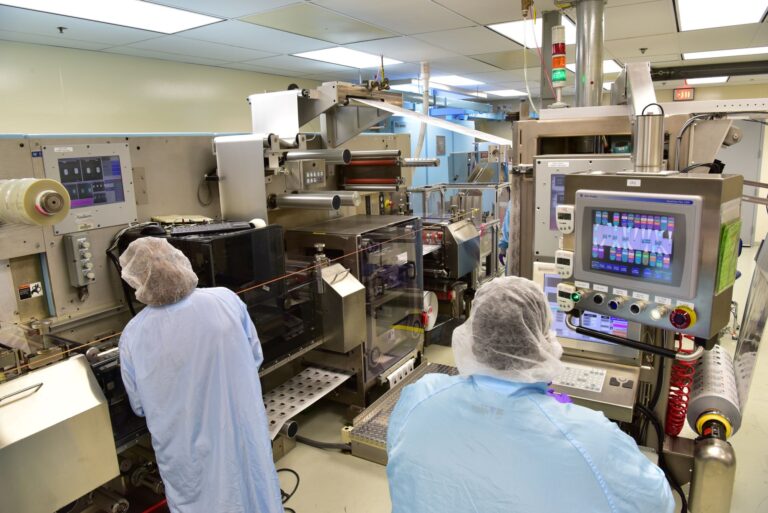
- Development of robust filling and manufacturing processes
- Scalable solutions aligned with GMP requirements
DDSD004-768x513
Performance & Quality Focus
DPI performance is evaluated through a combination of analytical testing and process understanding to ensure consistent dose delivery and product reliability.
Respipure’s DPI programs are supported by:
- Aerosol performance testing
- Evaluation of delivered dose uniformity and particle size distribution
- Quality systems designed to support regulatory expectations